Ambika Safety Equipments

Dust Mask

In stock

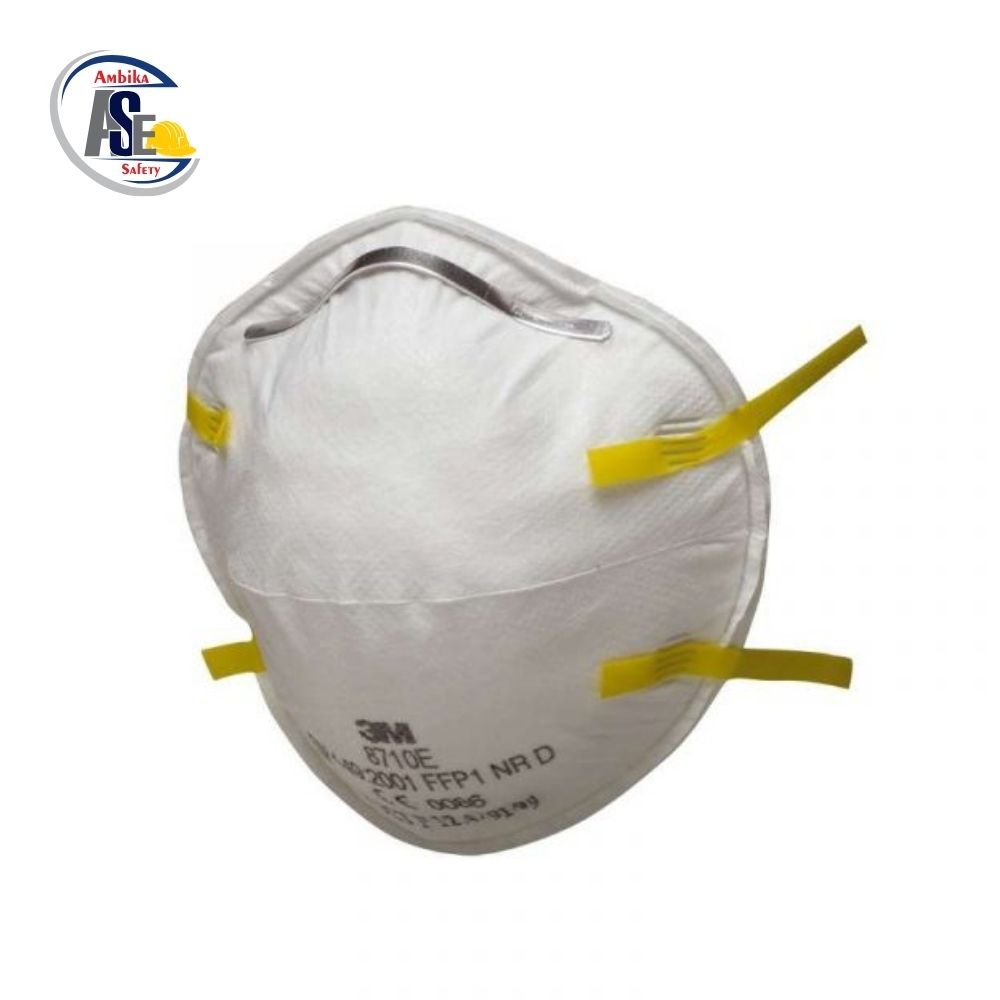
The Dust Mask is a simple yet effective respiratory protection device designed to filter out airborne dust, particulate matter, and non-toxic nuisance particles before they can be inhaled into the respiratory system. Constructed from layers of non-woven fabric, often molded into a cup shape for a snug fit over the nose and mouth, the mask uses an adjustable nose clip and elastic straps to secure it comfortably against the face while minimizing gaps through which unfiltered air could enter.

These masks are commonly used in environments where fine particles such as sawdust, cement dust, grain dust, or general construction debris are present in the air, posing a risk of respiratory irritation over time if inhaled repeatedly. While dust masks are effective against larger particulate matter, they are generally not designed to filter out toxic gases, vapors, or extremely fine hazardous particles, for which a more advanced respirator or gas mask would be required.

Description

Advantages

The Dust Mask’s lightweight, disposable design makes it extremely easy to distribute and use across large workforces, offering effective filtration of nuisance dust and particulate matter at very low cost per unit. Its molded cup shape combined with an adjustable nose clip and elastic straps provides a comfortable, secure fit that minimises gaps where unfiltered air could otherwise enter.

Because it requires no maintenance beyond routine replacement, the mask fits easily into daily PPE routines without training or fitting procedures, and its disposability ensures a fresh, hygienic mask is always available, which is particularly useful across shared work environments and multi-shift operations.

Dust masks are appropriate wherever workers face non-toxic, nuisance-level airborne particles rather than gases, vapours, or fine hazardous particulates.
  • Construction sites generating cement or building debris dust
  • Woodworking shops producing sawdust
  • Agricultural operations with grain or crop dust
  • General manufacturing facilities with light particulate exposure
  • Short-duration tasks where a full respirator is not required
Construction sites, woodworking shops, and agricultural operations use dust masks as a practical first line of respiratory defence, since these environments generate significant volumes of particulate matter that would otherwise cause respiratory irritation over repeated exposure. Masks should be replaced frequently, particularly once visibly soiled or once breathing resistance increases from particle build-up, and workers facing toxic gases or very fine hazardous particles should upgrade to a gas mask or advanced respirator instead.