Ambika Safety Equipments

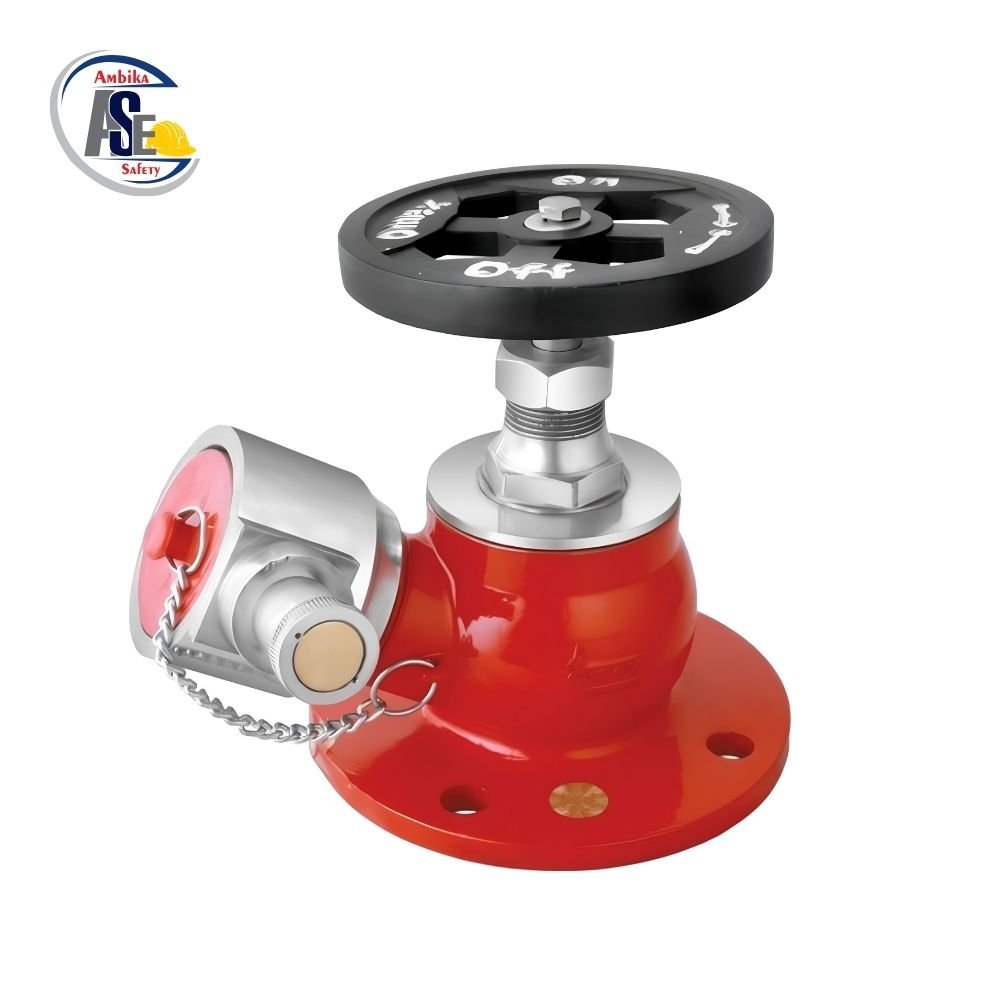
Hydrant Valve

In stock

The Hydrant Valve is a robust control valve installed as part of a fixed fire hydrant system, serving as the connection point between the underground or overhead water supply network and the fire hose used during firefighting operations. Typically made from cast iron, gunmetal, or bronze for durability and corrosion resistance, the valve allows trained personnel to open and close the water supply to a hose quickly and reliably, ensuring a steady and controlled flow of water is available when needed during a fire emergency. The valve is generally designed with a wheel-operated or lever mechanism that allows for gradual opening to build up pressure smoothly, preventing sudden water hammer effects that could damage hoses or piping.

Many hydrant valves also include a landing valve configuration, particularly in high-rise buildings, where they are installed at various floor levels to provide firefighters with immediate access to pressurized water without needing to run hoses from ground-level hydrants. Hydrant Valves are a mandatory component of fixed fire protection systems in factories, commercial complexes, high-rise buildings, and industrial facilities, forming the critical link between the water storage or pump system and the hoses used by fire brigades or trained in-house fire response teams. Regular maintenance and pressure testing are necessary to ensure the valve operates reliably during an actual emergency.

Description

Advantages

The Hydrant Valve serves as the critical connection point between a building’s water supply network and the fire hoses used during an emergency, with cast iron, gunmetal, or bronze construction providing durability and corrosion resistance over years of service. A wheel-operated or lever mechanism allows gradual opening that builds pressure smoothly, preventing water hammer effects that could damage hoses or piping.

Landing valve configurations at various floor levels in high-rise buildings give firefighters immediate access to pressurised water without needing to run hoses from ground-level hydrants, significantly improving response time in tall structures.

Hydrant valves form a mandatory link in every fixed fire protection system.
  • Factories with fixed hydrant networks
  • High-rise buildings requiring floor-level landing valves
  • Industrial complexes with pump-fed water systems
  • Fire brigade access points
  • In-house fire response teams using hydrant systems
Factories, high-rise buildings, and industrial complexes rely on hydrant valves as a mandatory component connecting water storage or pump systems to the hoses used by fire brigades or trained in-house teams. Regular maintenance and pressure testing are necessary to ensure the valve opens smoothly and holds pressure reliably during an actual emergency.