Ambika Safety Equipments

PVC Apron

In stock

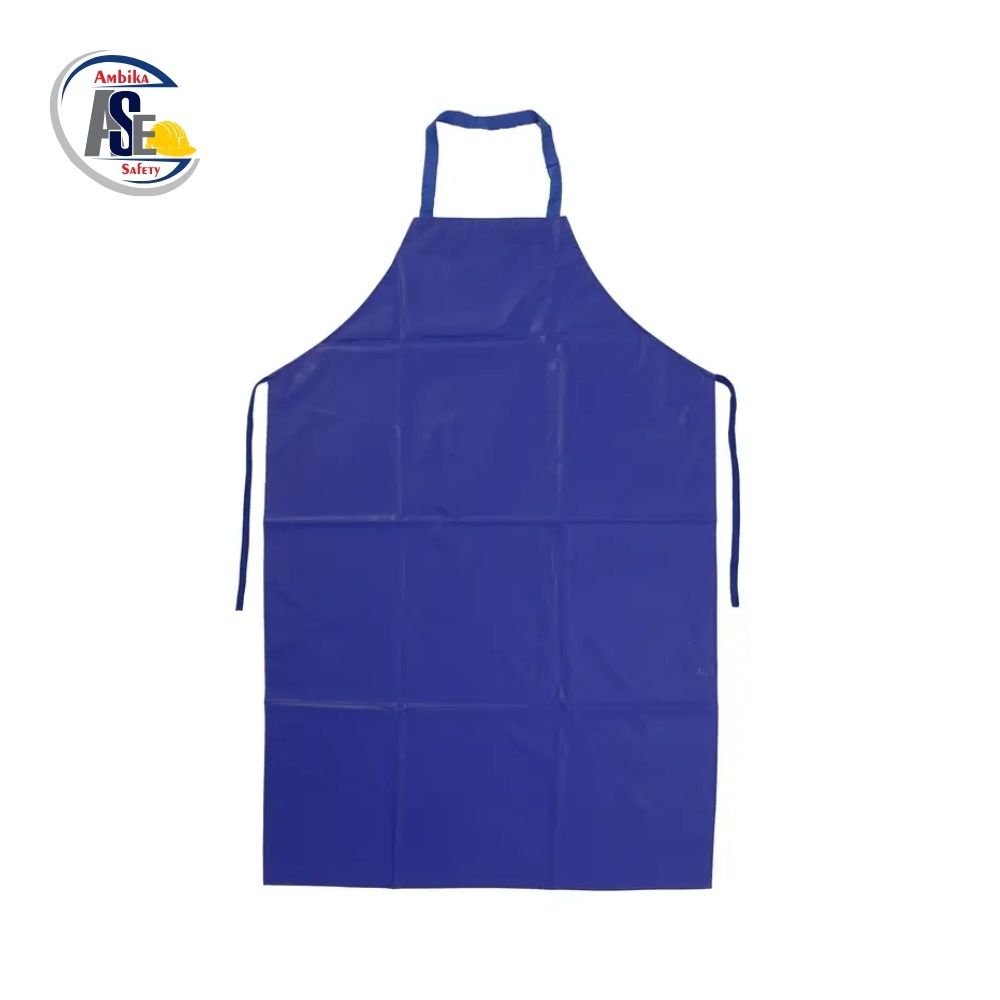
The PVC Apron is a lightweight, waterproof protective garment made from polyvinyl chloride-coated fabric, designed to shield the front of the body from splashes of water, mild chemicals, oils, and other liquids encountered during industrial or food processing work. Its smooth, non-porous surface prevents liquids from soaking through, making it easy to wipe clean or hose down after use, which is particularly valuable in environments where hygiene and quick turnaround between tasks are important. The apron is generally secured with straps around the neck and waist, allowing for a comfortable and adjustable fit over regular clothing or uniforms.

Because PVC is a flexible material, the apron does not restrict movement significantly, allowing workers to perform tasks such as bending, lifting, and reaching without discomfort. Its lightweight nature also makes it suitable for extended wear throughout a full working shift without causing fatigue. PVC Aprons are widely used in food processing plants, chemical handling areas, cleaning and sanitation operations, and laboratories where workers are regularly exposed to liquid splashes. They serve as a practical and cost-effective solution for maintaining cleanliness and protecting workers’ clothing and skin from unwanted liquid contact.

Category:

Description

Advantages

The PVC Apron’s smooth, non-porous surface prevents liquids from soaking through, making it easy to wipe down or hose off between tasks, which is especially valuable where hygiene and quick turnaround matter. Its lightweight, flexible material allows bending, lifting, and reaching without discomfort, supporting extended wear across a full shift.

Adjustable neck and waist straps provide a comfortable, secure fit over regular clothing or uniforms, and the apron’s low cost makes it practical to stock in quantity for workplaces where multiple workers need liquid splash protection simultaneously.

PVC Aprons are suited to any task involving regular splashes of water, mild chemicals, or oils onto the front of the body.
  • Food processing plant operations
  • Chemical handling and mixing tasks
  • Cleaning and sanitation work involving hosing down equipment
  • Laboratory tasks with liquid splash exposure
  • Kitchen and food-service preparation areas
Food processing plants, chemical handling areas, and laboratories use PVC aprons as a practical, cost-effective solution for maintaining cleanliness while protecting workers’ clothing and skin from unwanted liquid contact. Aprons should be inspected for cracks, punctures, or hardened patches that would allow liquid penetration, and replaced once the surface no longer forms a continuous, wipeable barrier.